Matches came to an abrupt halt—not by a decision from the federation, but by a verdict from the sky. The sound of explosions replaced the referees’ whistles. Stadiums shut their gates because those who used to fill them had fled their homes.
The Lebanese Premier League, founded in 1934, isn’t just a seasonal competition. It’s a social outlet for generations, a sporting lifeline that has managed to survive, albeit barely, through every political or economic crisis. Stadiums were always a space for joy, even in a country that knows sorrow far too well. But in that moment, it seemed this war would spare nothing—not even football.
One young player was on the verge of securing his place as a starter with Ahed Club. His dream was growing fast—until he found himself silently leaving his home, carrying a gym bag not to head to training, but to escape a newly targeted area. He wasn’t alone, Dozens of players scattered across Lebanon or fled elsewhere, trying to hold on to just a small piece of their former lives. Player Hussein Rida shared his experience of displacement, and how he managed to hold on to his passion for football amidst the chaos of war.

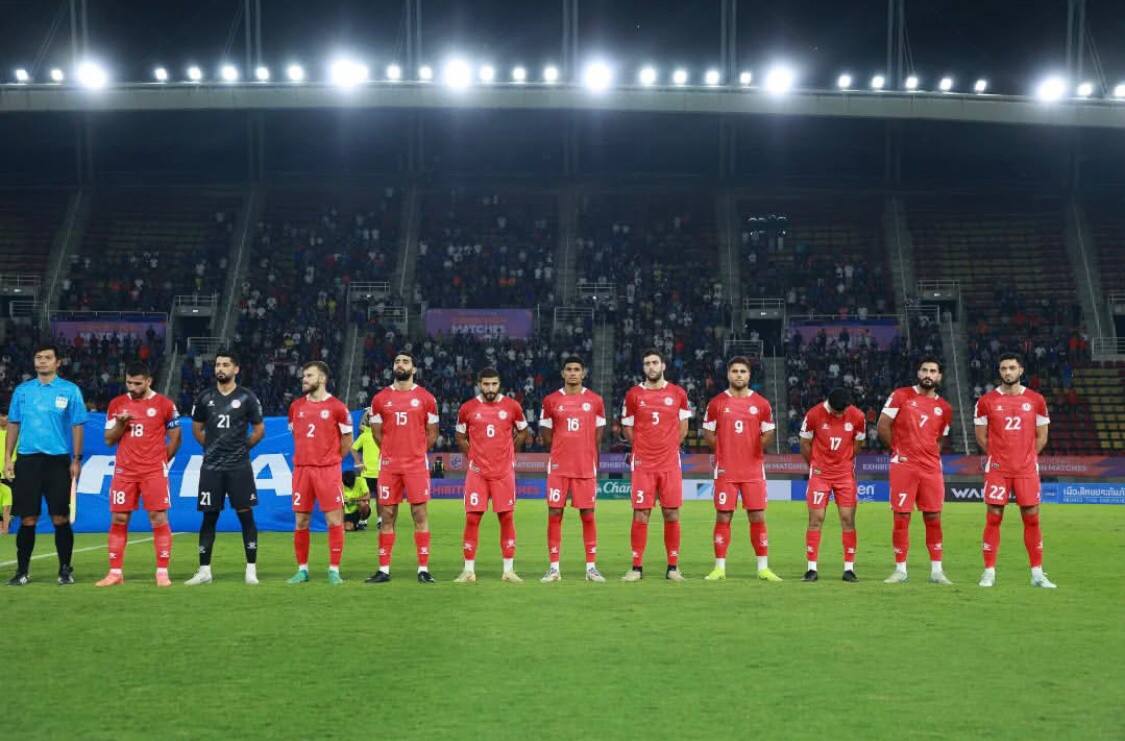
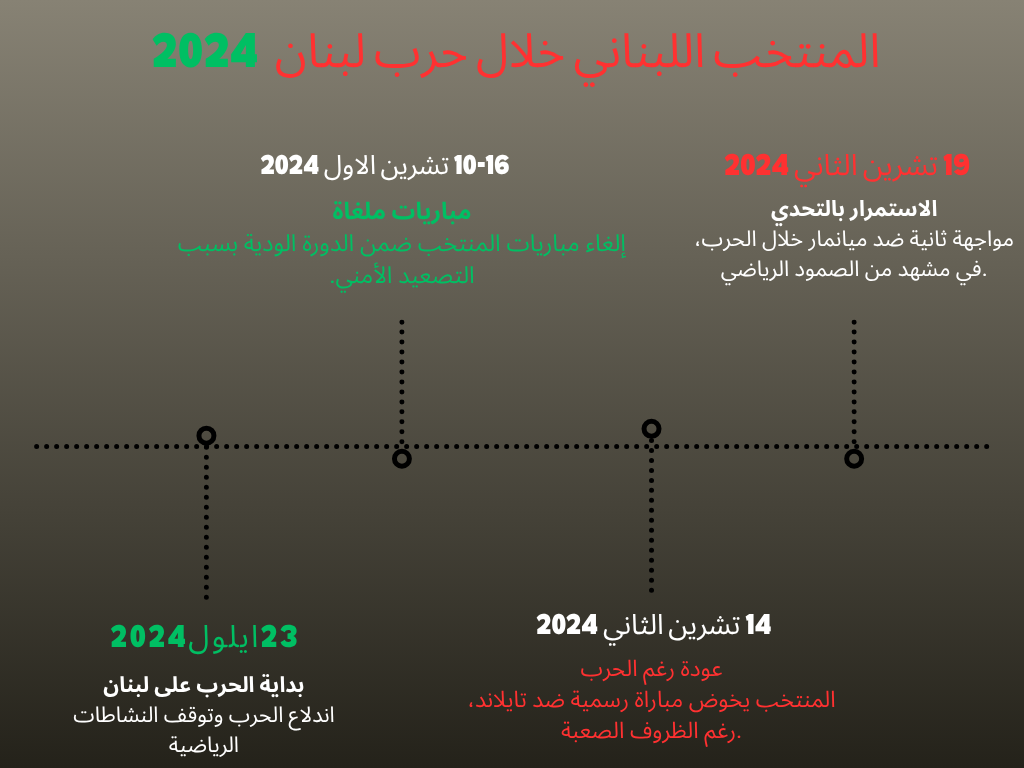
The Lebanese national team wasn’t far from this reality either. It was scheduled to play two international friendlies abroad in preparation for upcoming tournaments. But the war canceled all plans and froze ambitions. Weeks passed in silence—then the team returned, proudly carrying Lebanon’s name.
National team player Mohamad Haidar spoke to us about the meaning of football in such times, saying: “This is resilience in the face of aggression, we’re playing our favorite sport to represent our country.”
Despite the many obstacles, the players left the country to play international friendlies. They held a training camp in Qatar to prepare. There was no media coverage, no major public fanfare—just quiet determination traveling with them. And on the field, where political tensions and personal tragedies have no place, they played their first match on November 14, 2024, against Thailand. The match ended in a goalless 0–0 draw. A result that might seem dull in the record books—but to them, it was their first symbolic victory over war. Haidar continued, reflecting on his personal journey and how the team maintained its spirit despite everything.
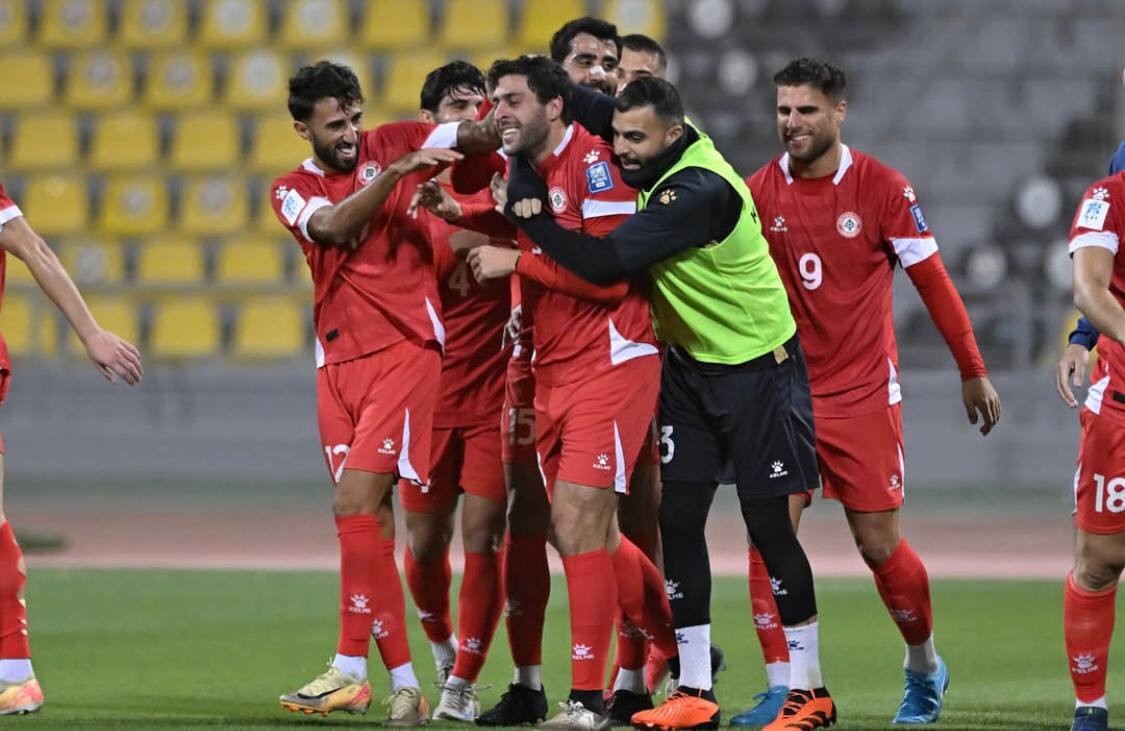
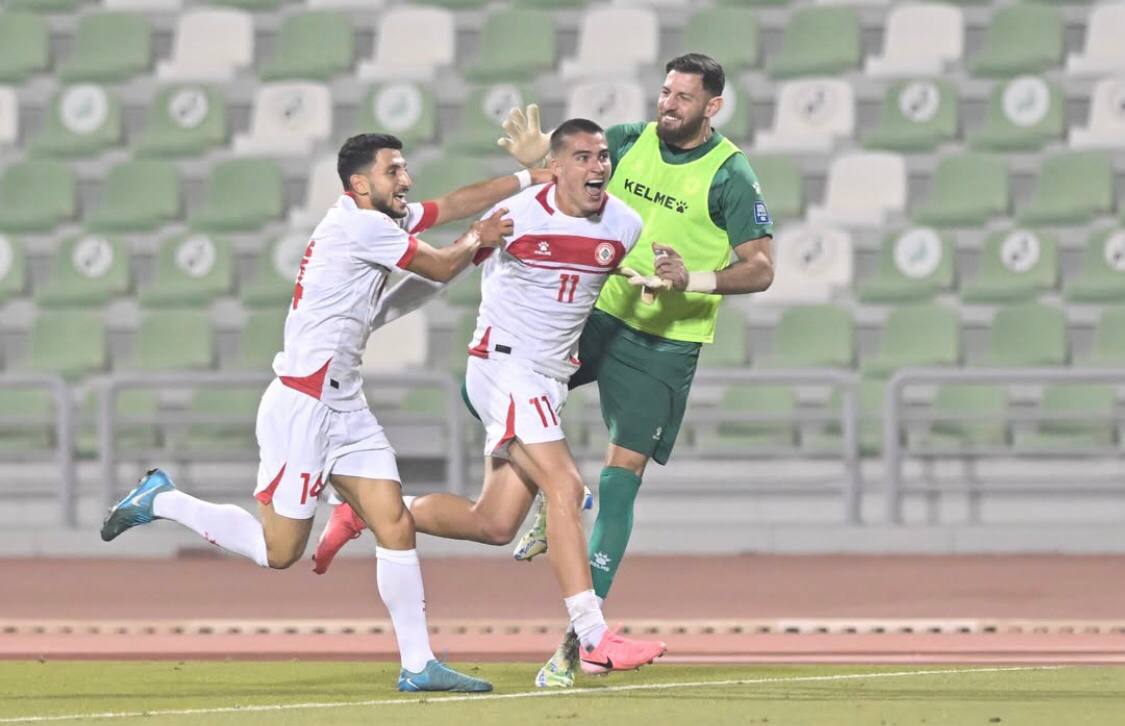
A few days later, Lebanon faced Myanmar in a second friendly. This time, the victory wasn’t symbolic—it was real. Lebanon won 3–2 in a match filled with goals that meant far more than just numbers: A goal for a mother watching from afar, a goal for a brother who lost his home, a goal for a nation grasping at any moment of joy amidst the rubble of its days.
The victories weren’t just on foreign soil—they were in the players' ability to represent a battered homeland. To run with tired feet and hearts full of both love and fear. In every touch of the ball, there was something of memory—and something of hope.
Perhaps the most unexpected surprise came from Nejmeh Club. While most Lebanese clubs were frozen in place and the country burned under the weight of war, Nejmeh appeared outside Lebanon , responding to everything with its usual silent statement: “We’re still here.”
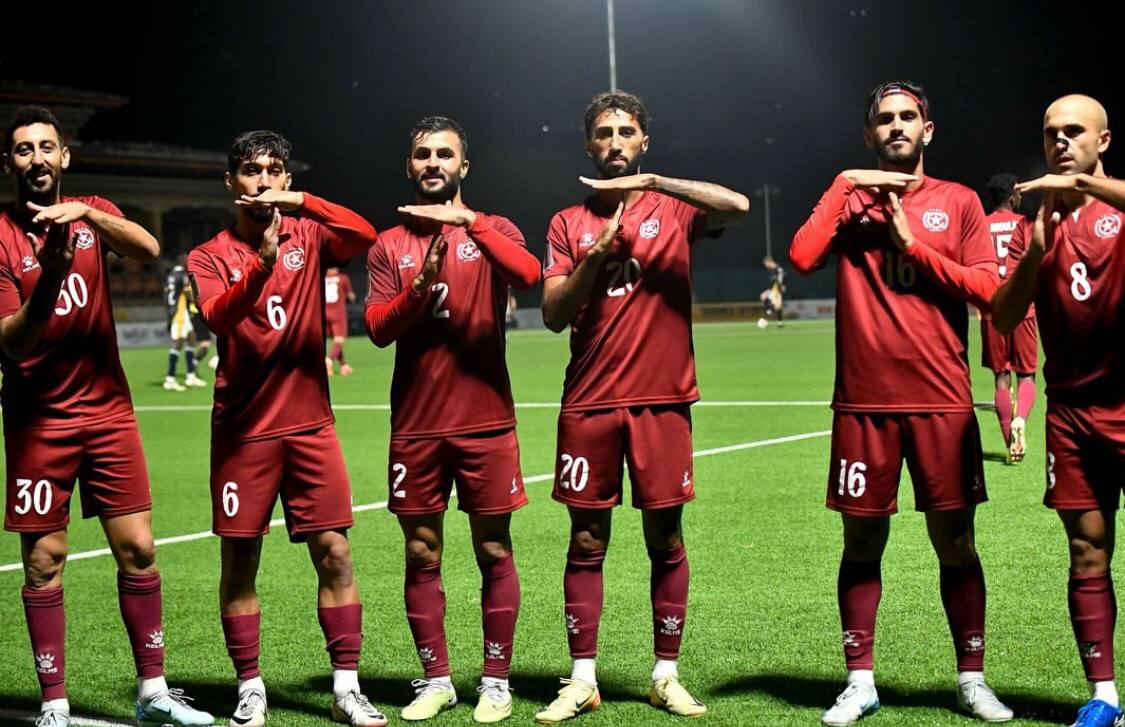
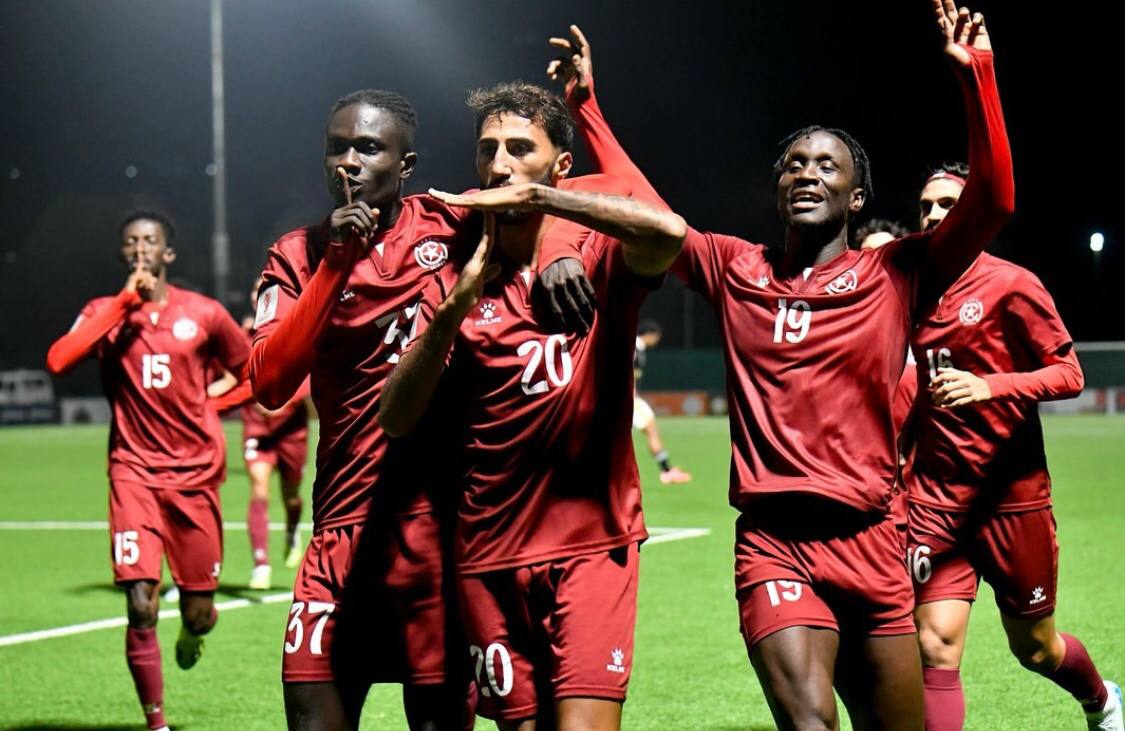
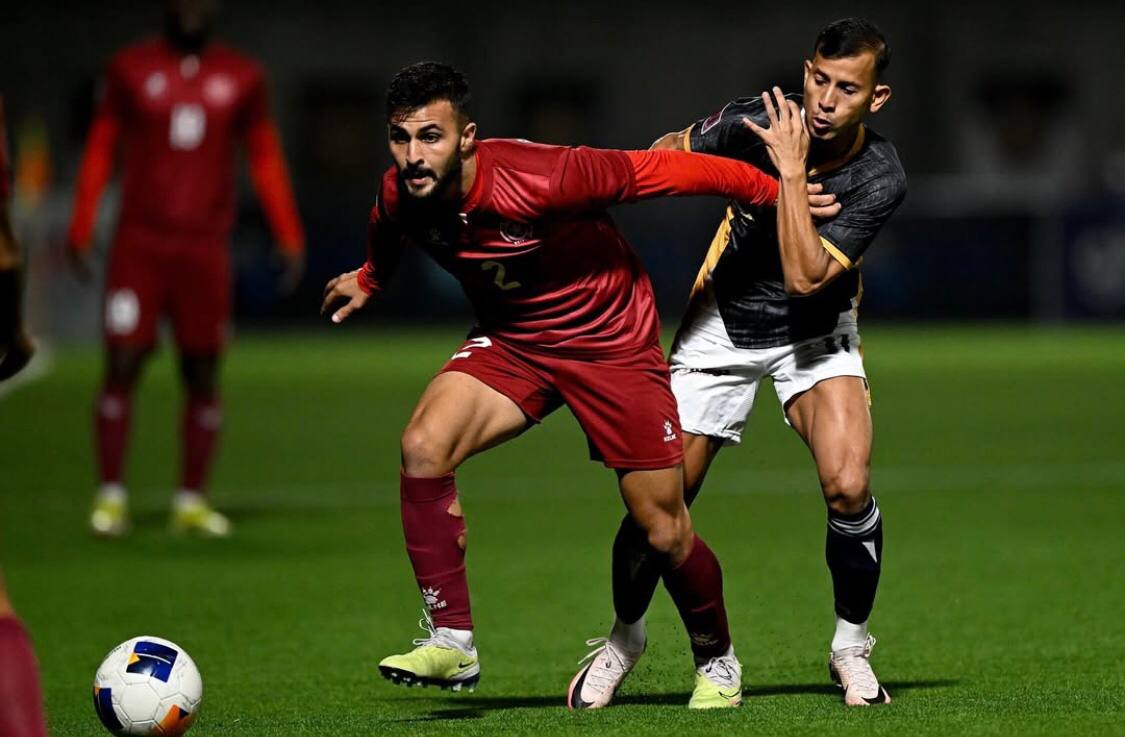
Even in the midst of war, Nejmeh participated in the AFC Challenge Cup, traveling to South Asia to represent Lebanon in the tournament. The first match was on October 26, 2024, against Bashundhara Kings of Bangladesh. Nejmeh won 1–0—a result that seemed modest, but carried the weight of an entire nation.
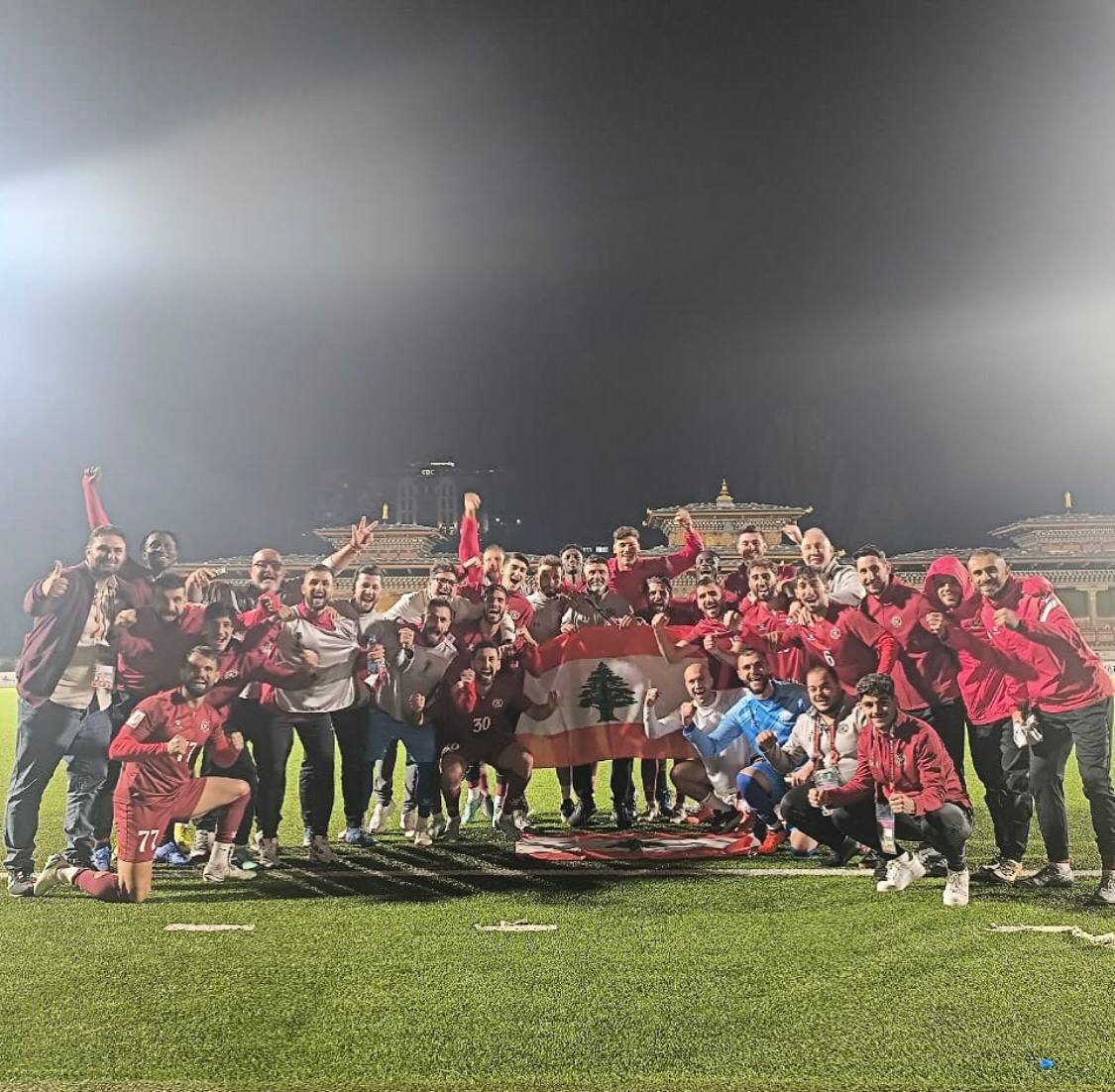
In the second match, they faced Paro FC from Bhutan—and decided to make a statement with a stunning win. The Nejmeh players were chasing the ball while their families and fans watched from tiny screens in displaced shelters, filled with pride.
Between the lines of war and football, we posed ten one, word prompts to Nejmeh player Maher Sabra, asking him to respond with just a word. Because sometimes, a single word is enough to reveal both love and pain.
Then came the third and toughest match—against India’s East Bengal, a historic and strong opponent. Nejmeh lost and was knocked out of the tournament. It was a painful sports defeat, but it never erased the bigger message: In a time when everything is collapsing—someone is still playing for Lebanon, and the flag is still raised, even if on a faraway field.
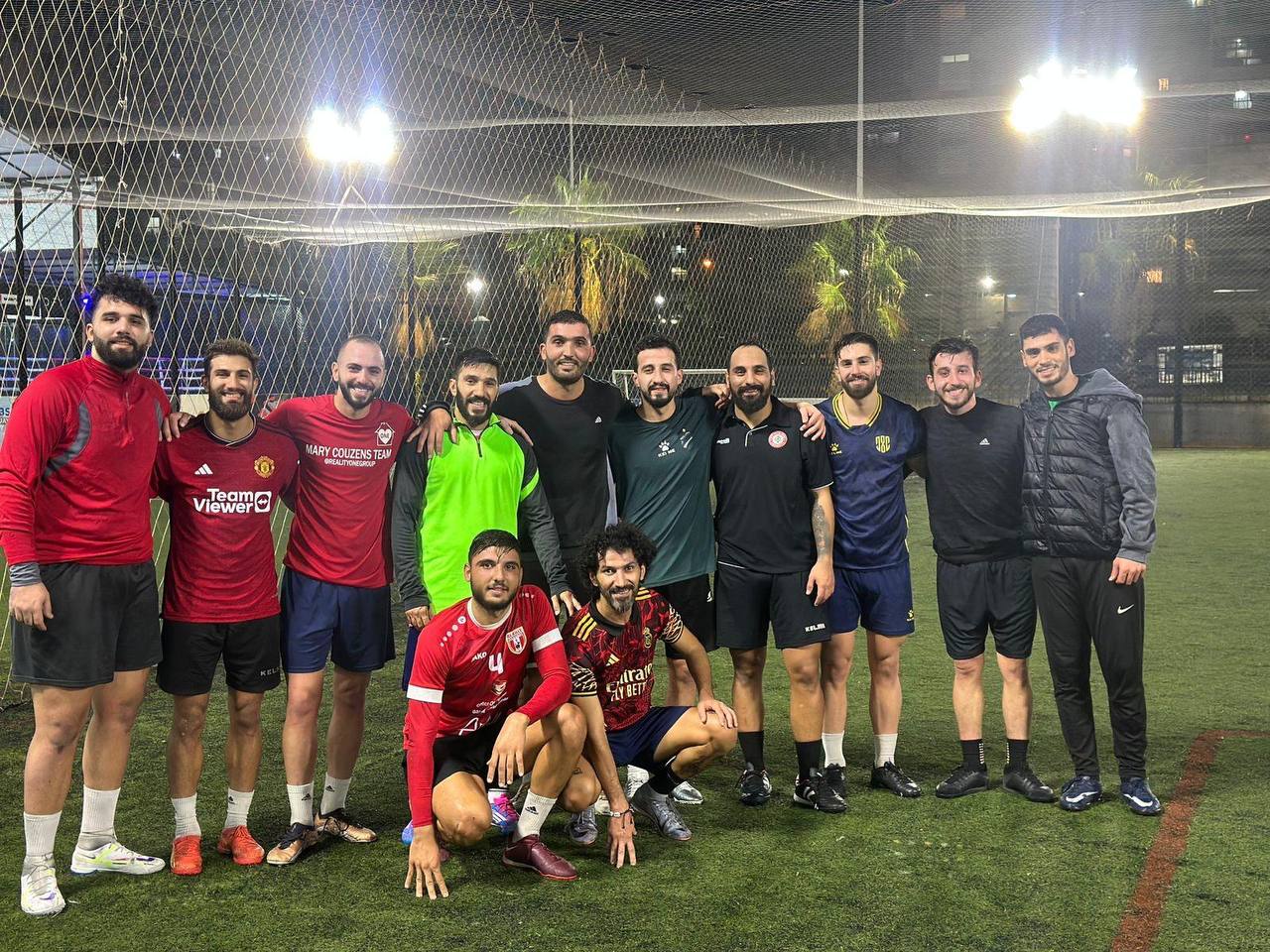
In a different setting, we presented quickfire questions to Nejmeh players Ali Ridha Ismail and Mehdi Zein, giving them the freedom to choose and respond.
The Stadium Returns... But the Wounds Don’t Fade
When the war ended, the return of the league wasn’t just a resumption of postponed matches. It was the rebirth of a wounded country, of a defiant crowd, of clubs that had turned into frontlines of hope. Yet even after returning, the danger still lurks across the borders. Some stadiums still burn, like in Nabatieh, where the outskirts were lit up by fire, but hearts remained firm. There, Al Ahli Nabatieh played one of the most symbolic matches, not for its result, but for its timing and location.
It was a match played in the lap of danger, the players didn’t stop, the fans didn’t go silent. We spoke to Ahli Nabatieh player Ali Rida, who shared what happened saying: “The game went on, the fans kept chanting and even the shelling didn’t stop the match.”
In that scene surrounded by fire, lit by people’s voices one message stood out clearly: Football in Lebanon isn’t just a game. It’s resistance. It’s the heartbeat of a nation. It’s the kick that tells the world and the enemy that we are still alive.